From Screen to Street: How Anime Culture Became a Fashion Language
Anime moved from niche fandom to global visual culture in under two decades. Here is how it happened — and why the clothes are the part that stuck.
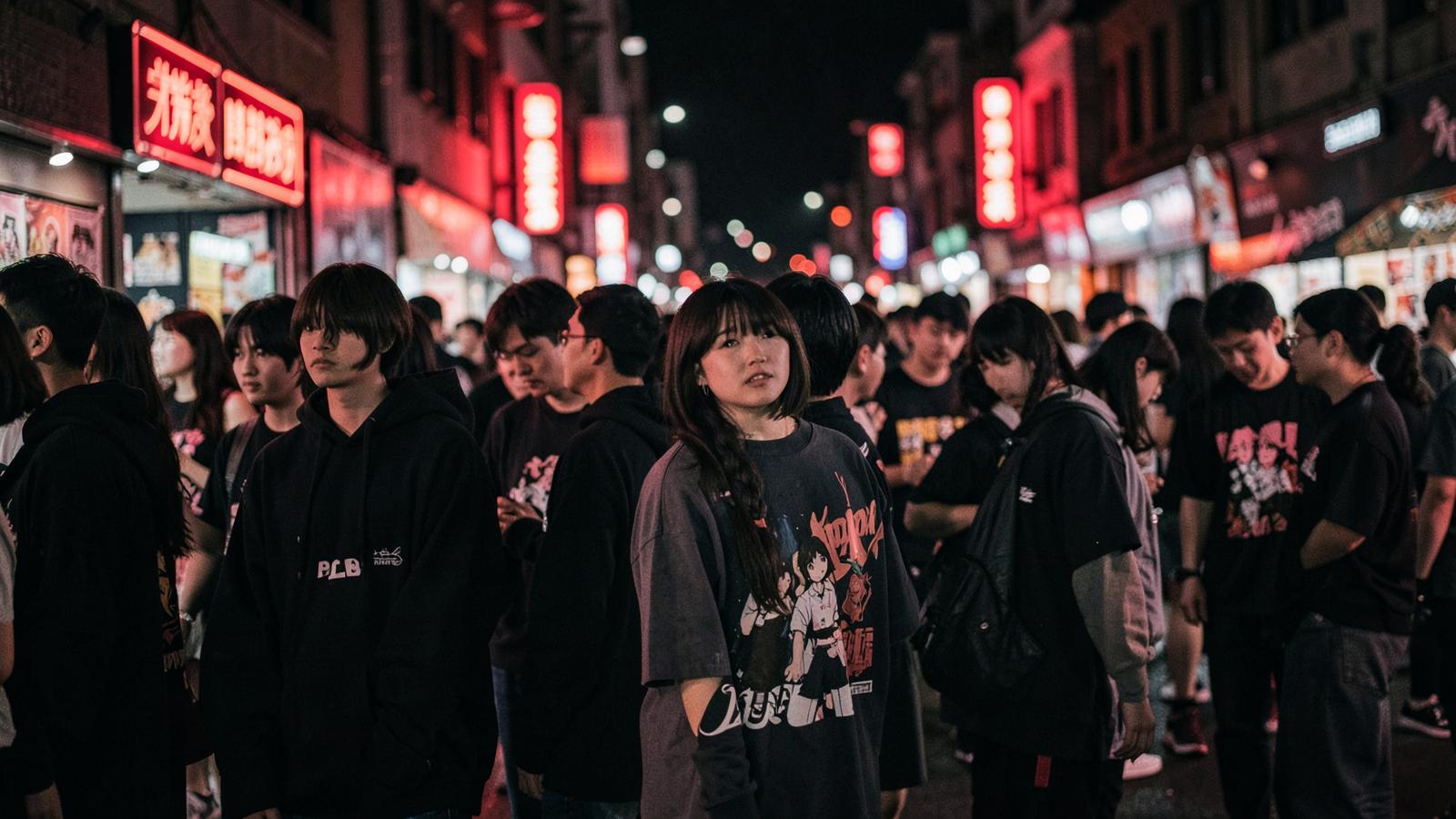
There was a point when wearing anime on your chest meant something specific: you were signalling to a small group and accepting that everyone else would not get it. That is over. Anime is now one of the most widely shared visual languages on earth, and clothing is where most people meet it first.
The three shifts that changed everything
Streaming removed the gatekeepers
For decades, access to anime meant fan subs, import DVDs and patience. Simultaneous global releases changed the audience overnight — a series now lands in dozens of countries the same week, so the references become common ground instead of inside jokes.
Short-form video made stills into style
A single frame — a red sky, a silhouette in a doorway, a character standing in rain — travels further than a full episode. Anime is unusually good at producing frames that work as posters, which makes it unusually good at producing graphics that work on garments.
Fashion took it seriously
Once major labels started running anime collaborations, the aesthetic stopped being read as merch and started being read as design. That gave independent brands room to make anime-inspired pieces that compete on fabric and fit, not just on the licence.
Why the clothing is the part that stuck
Anime deals in identity: who you would be in another world, which side you would take, what you would protect. Clothing does the same job in this one. Wearing a guardian, a crest, or a blood-moon scene is a low-effort way of saying something about yourself that a caption never quite manages.
That is also why the strongest anime fashion is not literal. A screen-accurate cosplay says I like this show. A well-made piece built from anime's visual grammar — heavy blacks, crimson, brush strokes, fog, torii silhouettes — says something more open-ended, and you can wear it to work.
Where the culture is going
Three things worth watching:
- Original worlds. Fans increasingly follow brands that build their own characters and lore instead of reselling other people's.
- Quality expectations. The audience grew up. Thin blanks with cracked prints no longer pass.
- Community over hype. Small drops with real communication beat mass restocks; people want to feel early, not marketed to.
Anime taught a generation how to read visual atmosphere. Streetwear gave them somewhere to put it.
Shop sealed anime cards →
Hand-packed Pokémon, One Piece, Dragon Ball and more. Ships in 1–2 days from Georgia.
Browse cards